In the autumn of 1919, eight members of the Chicago White Sox agreed to lose the World Series for money. They were professionals, members of the most prestigious baseball organization in the world, and they took the cash. The investigation, trial, and lifetime bans that followed produced the most consequential integrity crisis in the history of American sport. Commissioner Kenesaw Mountain Landis, appointed by the owners to clean house, declared the eight men permanently ineligible.
"Regardless of the verdict of juries," he said, "no player that throws a ball game will ever play professional baseball."
Over a century later, the fix was in again.
On January 15, 2026, federal prosecutors in Philadelphia unsealed a 70-page indictment charging 26 people — including more than a dozen active and recently graduated NCAA Division I basketball players — with orchestrating what U.S. Attorney David Metcalf called "a transnational criminal scheme" to rig college basketball games in America and professional games in China. It was, by Metcalf's own account, among the most sweeping game-fixing operations since the 1951 point-shaving scandal that felled the reigning NCAA champion City College of New York. "I do view it as historic," he said, but the scheme didn’t begin in Philadelphia—or in America at all.
In 2022, two gambling influencers began working with a former college basketball player then competing in the Chinese Basketball Association. They fixed two games, won, and then came home. Over the next two seasons, they built a network across 17 NCAA Division I programs — Nicholls State, Tulane, DePaul, Fordham, Alabama State, and a dozen more — by recruiting players with cash payments ranging from $10,000 to $30,000 per game to deliberately underperform. To miss shots. To turn the ball over. To keep teammates from scoring. To lose by more than the spread. The fixers, meanwhile, placed millions of dollars in wagers on outcomes they had already purchased. In all, more than 39 players on 17 different teams rigged or attempted to rig more than 29 games.
The fixers placed millions in wagers on outcomes they had already purchased.
The mechanics weren’t subtle, either. Text messages entered into evidence captured players discussing "the bread." One fixer sent two players a photograph of approximately $100,000 in cash ahead of a Kennesaw State game. Another traveled from Charlotte to Louisiana to hand-deliver $32,000 in cash. Players recruited their own teammates. In one exchange, a player texted a co-conspirator: "We gon see what the spread is." It reads less like a criminal enterprise than a transaction. Which, of course, is precisely what it was.
The question worth asking — the one Metcalf raised and then declined to fully answer — is how this became possible. The Supreme Court's 2018 ruling in “Murphy v. NCAA” struck down the federal ban on sports betting and handed the matter to the states. What followed wasn’t a measured expansion of a modest vice. It was a gold rush. By 2026, the American Gaming Association projected that Americans would legally wager approximately $3.3 billion on March Madness alone — a 54% increase in three years. Mobile sportsbooks now allow bettors to wager in real time on a player's first-half rebounds, individual three-point attempts, and live point spreads updated possession by possession. The market for granular, player-specific outcomes created, in effect, a financial incentive for anyone with access to a player willing to manipulate one.
Into that market, the NCAA sued DraftKings, alleging unauthorized trademark use and arguing that betting promotions were damaging student-athlete welfare. The institution that spent the better part of a decade resisting athlete compensation was now positioning itself as the guardian of those same athletes against the very industry its silence had helped build. Simultaneously, programs and conferences lodged complaints over bracket "logo bias" — the selection committee, it was alleged, was weighting SEC brands over merit in tournament seeding. The sport was fighting itself on three fronts at once.
Metcalf named the conditions plainly. "The monetization of college athletics and athletics generally through the liberalization and proliferation of sports betting markets," he said, "furthered the enterprise in this case." He added that certain players were targeted precisely because they were "somewhat missing out on NIL money." The fixers were not preying on greed. They were preying on a reasonable sense of inequity. However, these were young men at smaller programs who watched the economy of college sports reorganize around a handful of stars at power conferences, while they remained largely outside it. The fixers made the offer the institution had declined to make.
The NCAA's response was institutional in the fullest, most limiting sense of the word. President Charlie Baker thanked law enforcement. Noted that 11 players had already received lifetime bans. Urged the Commodity Futures Trading Commission to suspend college sports prediction market contracts. Required tournament teams, for the first time in 2026, to submit availability reports before each game. These are the measures of an organization managing a crisis, not one that has reckoned with its origins.
One week before the tournament tipped off, the first guilty plea arrived. A Charlotte-based player development trainer appeared in federal court in Philadelphia and pleaded guilty to wire fraud and bribery. The first of 26. The investigation, prosecutors confirmed, was continuing.
Michigan won the national championship. The confetti fell. "One Shining Moment" played. The brackets, as they always do, produced their Cinderellas and their consolations and their coronations. Meanwhile, across the hall, something else entirely was happening.
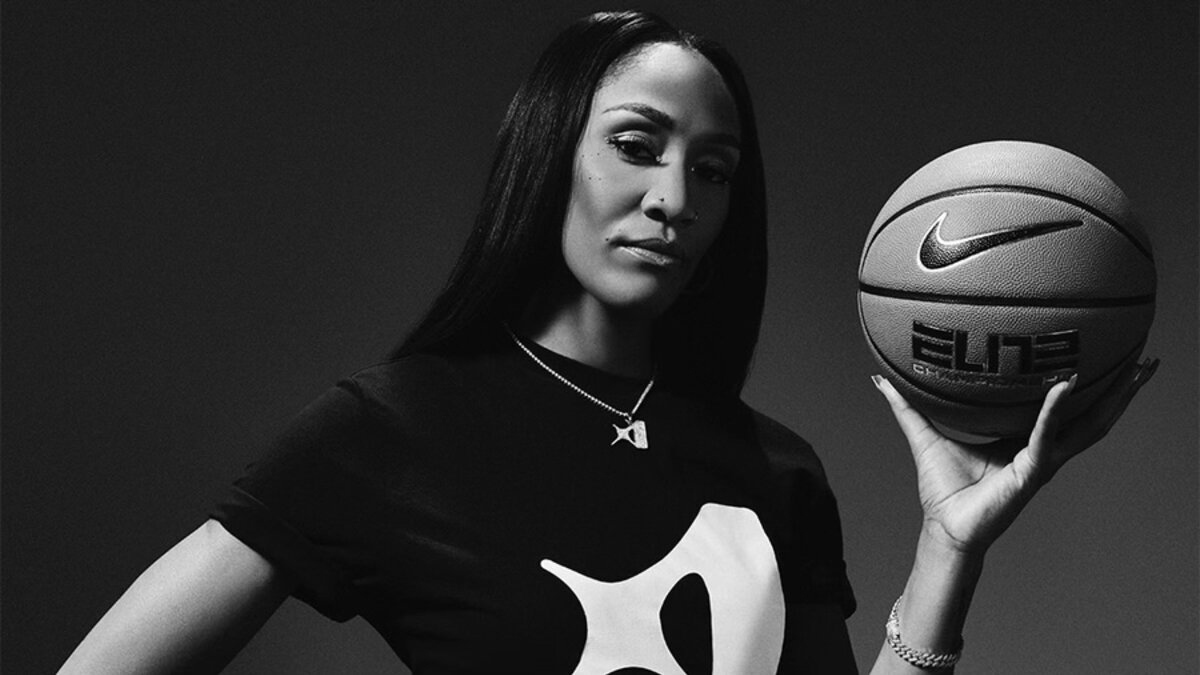
The 2025 WNBA season was the most watched in the league's history. A'ja Wilson became the first player in either professional league to win the scoring title, MVP, Defensive Player of the Year, and Finals MVP in the same season. Paige Bueckers arrived. The Golden State Valkyries sold out their inaugural season. More than 2.5 million fans attended games — a record unbroken since 2002, when the league had three more teams.
And when the women of the WNBA wanted more money, they simply wore T-shirts that said so. At All-Star Weekend, in Indianapolis, in front of every camera in the building: “Pay Us What You Owe Us.”
No fixers. No burner phones. No photographs of cash.
Women, unapologetically, communicating a demand with unequivocal clarity to the public square. The NCAA didn’t pass the torch on how the game should be played, as much as the WNBA reminded us why we love the game.

All the World’s a Stage
Make sense of the week's news.
Charlatan reviews the worldview.
CHARLATAN
The Exposé of Politics & Style